Orthodontics
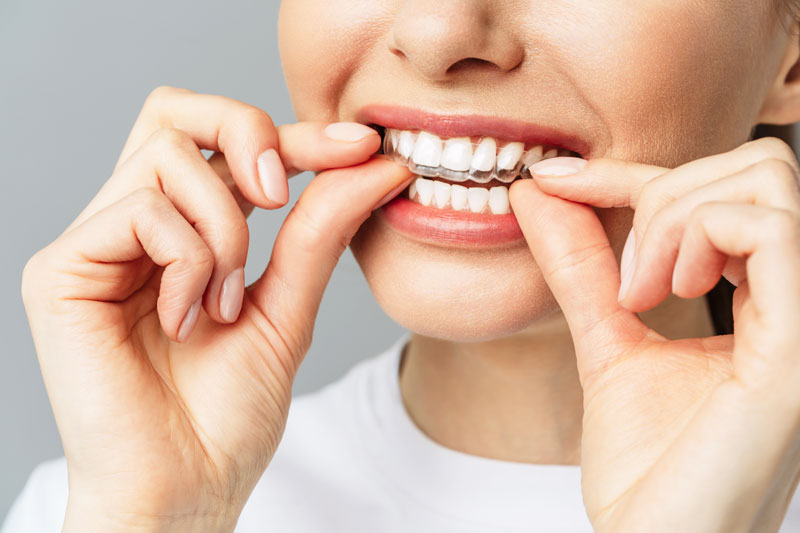
Orthodontics is the branch of dentistry that focuses on diagnosing and treating imperfect positioning of the teeth when the jaws are closed (malocclusion). Common orthodontic treatments include braces, clear aligners retainersand appliances.
The way your teeth fit together has a significant impact on your oral health. By improving the way your upper and lower teeth meet, you can reduce your risk for a host of oral health issues, including cavities, gum disease and excessive wear (erosion).
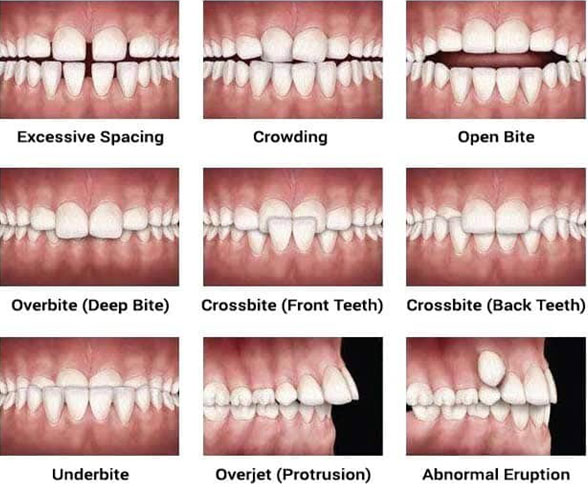
Types of orthodontic problems include:
- Overjet, when your upper teeth stick out over your lower teeth.
- Underbite, when your lower teeth stick out further than your upper teeth.
- Overbite occurs when your upper front teeth come down too far over your bottom front teeth when you close your jaw. Your bottom teeth showing a few millimeters or less is considered a deep
- Overlapping teeth.
- Crowded teeth.
- Spacing in teeth
- Crooked teeth.
- Rotated teeth.
- Impacted teeth (which are partially or fully trapped in your jawbone).
- Open bite
- Abnormal eruption
When should you take your child to the orthodontist?
Children should have their first orthodontic visit no later than the age of 7. While many children won’t need treatment at this age, it’s a good time to find out if there are any issues to watch out for. Often, children who need early orthodontic treatment can reduce their need for extensive dental procedures in the future.
What are examples of orthodontic treatment?
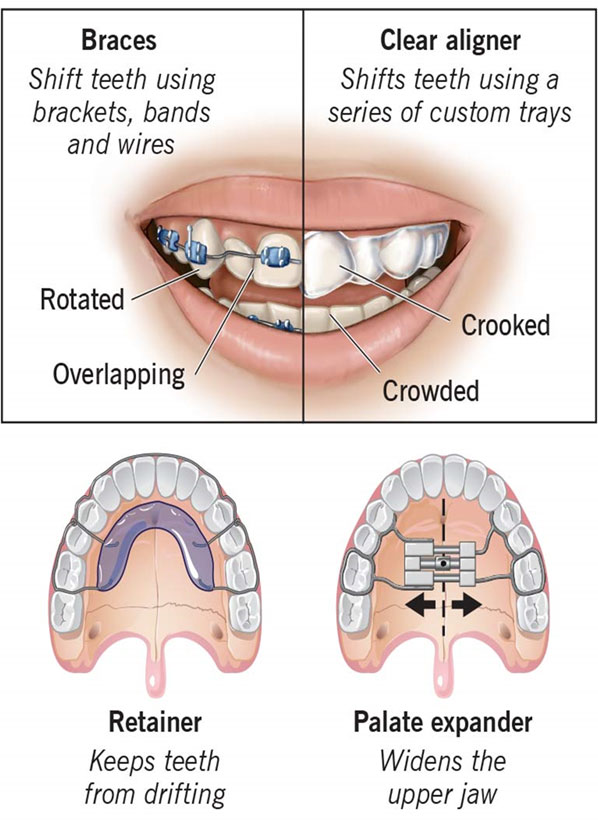
There are several treatments that fall under the specialty of orthodontics.
Orthodontic treatment uses appliances to correct the position of teeth.
The 4 main types are:
Braces
Braces gradually shift your teeth into their desired positions over time using a combination of brackets, bands and wires. There are different types of braces depending on your needs, including traditional metal braces and clear ceramic braces.
Clear aligners
Clear orthodontic aligners are a popular alternative to braces. Well-known brands include InvisalignRather than using brackets and wires to straighten your teeth, these systems use a series of custom-made, clear aligner trays. You wear each set of trays for one to two weeks before switching them out for the next set in the series. Over time, the clear aligners shift your teeth into their proper positions.
Retainers
If you wear braces or clear aligners, you’ll need a retainer once your orthodontic treatment ends. A retainer is a custom oral appliance that keeps your teeth from drifting out of their proper positions. Your orthodontist can tell you how often you’ll need to wear your retainer to maintain the results of treatment.
Palate expanders
Orthodontists recommend some treatments during childhood. This is because a child’s facial bones are still developing and they’re much easier to move and manipulate. A palatal expander helps to widen a child’s upper jaw. Most children don’t need palate expanders. But under the right circumstances, these devices can create extra space without the need for tooth extractions or other procedures.
Appliances
There are appliances to prevent thumb sucking (Thumb crib), grinding of teeth-bruxism (Night guard) and to protect the teeth from sport injuries (Mouthguard)
Thumb crib appliance is a dental device used to break a persistent thumb sucking habit in a child or adult. The appliance prevents placement of the thumb into the mouth in a comfortable and soothing position.
Nightguards help protect your teeth from the negative impact of grinding. Most night guards cover all of your teeth, but some are designed for partial coverage as well.
A mouthguard is used by athletes of all ages to protect teeth from trauma during competitive and individual sporting activities. They are made of a variety of materials, some flexible and others rigid. It acts as a shock absorber protecting the teeth and lower jaw from impact that could cause a break.
Custom-made mouthguards are constructed by your orthodontist especially for you and they deliver the highest level of protection. First, your orthodontist will make an impression of your teeth. They will then use this impression to mold your mouthguard. Custom mouthguards do tend to cost more than over-the-counter ones, but it’s worth the investment. Because they are made from special materials and custom-fitted to your mouth, they provide the maximum level of comfort and protection.
Over-the-counter mouthguards are available in “boil and bite” versions (which are formed to the individual’s mouth at home), and “ready to wear” versions (which cannot be customized). Both of these options offer substantially less protection than a custom mouthguard.
Treatment Timeline: What to Expect
Before you begin your orthodontic journey, preparing your mouth for treatment is essential. We advise for a comprehensive dental cleaning, plaque removal, and cavity treatment. Starting with a healthy oral environment optimizes treatment effectiveness, comfort, and efficiency.
Knowing the approximate duration of your treatment can help you plan better. Here’s a general outline:
- Consultation and Diagnosis: 1-2 visits
- Brace Fitting/Placement: 1 visit
- Regular Adjustments: Every 4-12 weeks, depending on where you are in your treatment.
- Treatment Duration: Varies between individuals but generally ranges from 12 to 24 months
- Retention Phase: Wearing a retainer for a certain period post-treatment
Remember, each treatment plan is unique, and timelines can vary based on individual needs and complexities.
What are the advantages of orthodontics?
The cosmetic benefits of orthodontics are clear. But these treatments offer functional and health-related advantages as well:
- When your teeth are in proper alignment, they’re much easier to clean.
- Straightening your teeth can improve chewing and speech function.
- Orthodontic treatment can ease pain related to TMJ disorders
- An aligned bite can reduce your risk for cavities, gum disease and other oral health issues.
- Orthodontics can help you achieve and maintain a beautiful, healthy smile.
What are the disadvantages of orthodontics?
The main disadvantage is short-term: You’ll have to follow treatment guidelines closely and be patient until you reach your goal. For some people, orthodontic treatment takes less than one year. For others, it can take up to two years or longer. Because every person has their own unique needs, treatment times look different for everyone. Ask your orthodontist what to expect. Certain food restrictions are there and braces can cause pain and discomfort and sometimes ulcers.If you don’t clean thoroughly around your orthodontic appliances, you also have a greater risk of cavities.Be sure to follow your orthodontist’s oral hygiene recommendations.
The first stage of any treatment is to assess the current position of your teeth and how they’re likely to change over time.
This often involves taking X-rays, making plaster models, and taking photographs of your teeth.
You will then be given a treatment plan. This may suggest more than 1 way to treat the problem you have. Talk to your orthodontist about your options.
Maintenance Tips: Keeping Your Braces in Top Shape
Braces are an investment in oral health; proper care ensures you get the most out of your treatment. Here are some maintenance tips:
- Daily Cleaning: Use a soft-bristled toothbrush and fluoride toothpaste. A water flosser, proxy brushes, and many other products can help clean hard-to-reach areas.
- Foods to Avoid: Hard and sticky foods can damage your braces. Choose softer foods and cut fruits and vegetables into smaller pieces.
- Emergencies: Contact your orthodontist immediately for guidance for a broken wire or bracket. Keep orthodontic wax handy to cover any sharp edges temporarily.
- Regular Check-ups: Never skip your scheduled appointments for adjustments and cleaning.
Category: Orthodontics